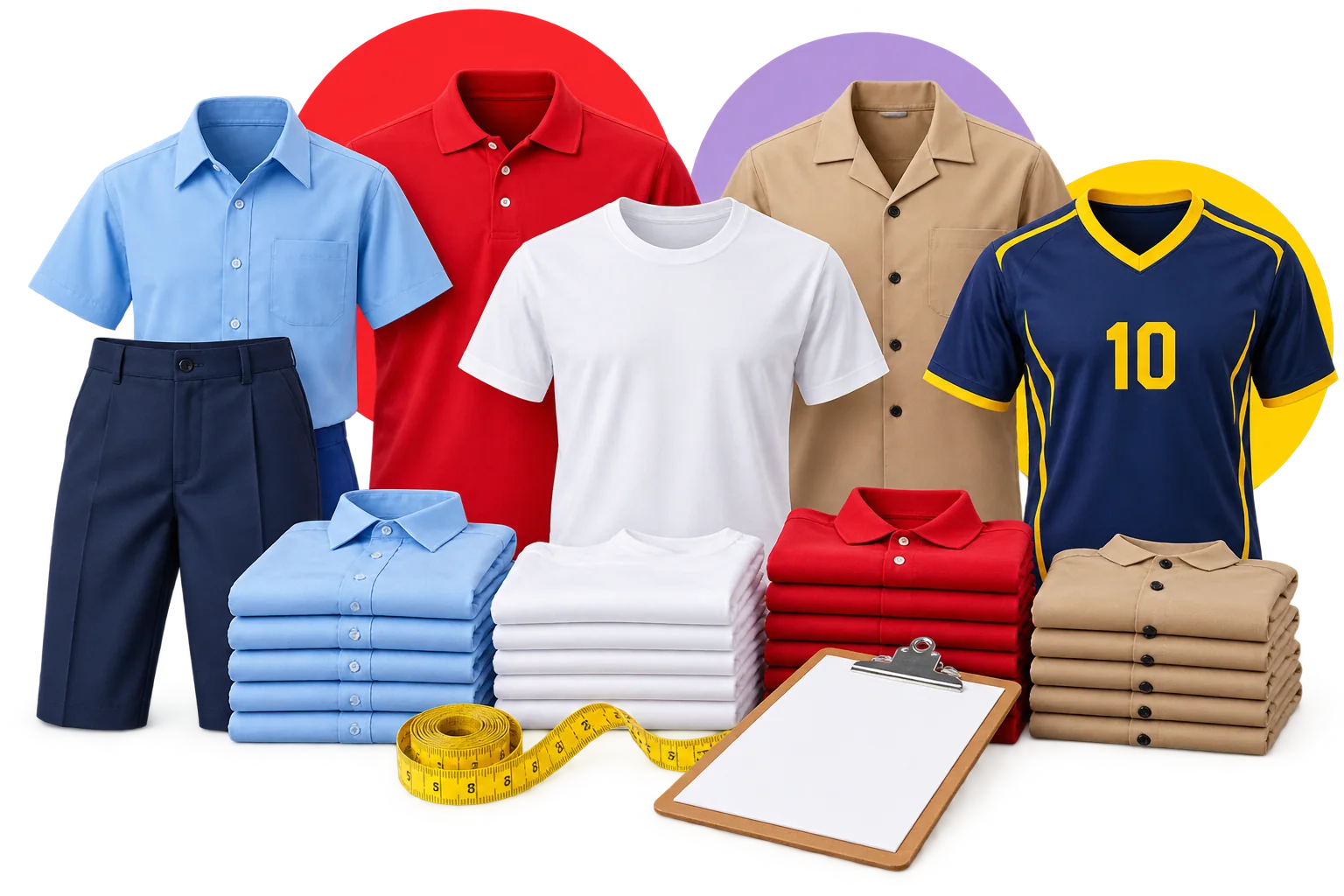
Ready-made Clothes
Choose stock and find people to buy it.
LEARN
You want to enter the clothing business, but you do not sew and you cannot afford to set up a garment factory. That does not mean you have to abandon the idea.
There are different ways to start a clothing business in Nigeria. You could sell ready-made clothes, build your own clothing brand, or supply garments in bulk to organisations. This page focuses on bulk clothing supply: what it involves, what you need to consider, and where to learn the practical steps.
Choose stock and find people to buy it.
Develop products under your own name.
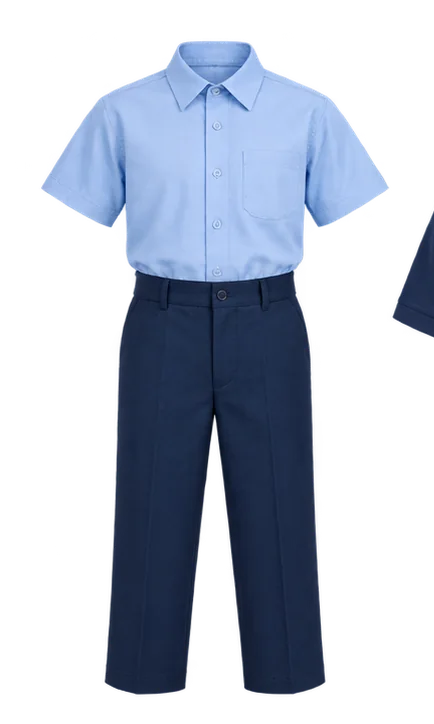
Supply garments to organisations such as schools, companies and events.
HOW IT WORKS
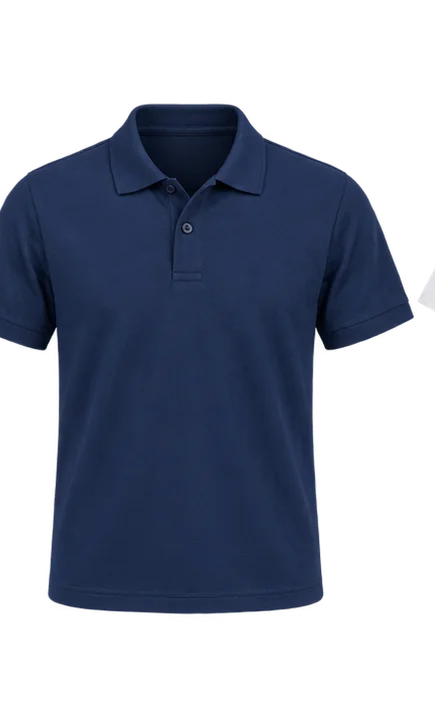
A school might need uniforms. A company might need branded polo shirts. An event organiser might need T-shirts for a large group.
The clothing supplier speaks with the buyer, understands what is required, arranges production with a garment factory, and manages the order through to delivery. The factory makes the garments; the supplier remains responsible for the agreement made with the customer.
That responsibility matters. If the sizes, quality, price or delivery date are unclear, an order can become difficult even when the sewing itself is done well.
STEP BY STEP
At a high level, the journey looks like this:
Learn the types of garments organisations order and what a factory can produce reliably.
A suitable sample or clear examples of work can help a buyer understand what you are proposing.
Quantity, garment details, branding, delivery date and payment terms all affect the job.
You need a factory that can make the agreed garments to the required standard.
Follow up on production, check the finished garments and fulfil your agreement with the buyer.
You may be able to start with much less money than it takes to establish a factory or buy a large amount of clothing stock. But little capital is not the same as no expenses. Samples, transport, communication and the requirements of a particular order can all cost money.
Before accepting a job, understand what the customer will pay, what production will cost, and when money will be needed. A large order is only attractive if you can fulfil it properly and protect your finances.
Bulk supply may suit you if you are willing to speak with customers, pay attention to garment details, coordinate with a factory and take responsibility for delivery. It may also interest you if you already sell clothing and want to explore organisational orders.
You do not have to be a tailor. But you cannot treat the factory as someone who will make every business decision for you. You are the person the customer is relying on.
THE BOOK
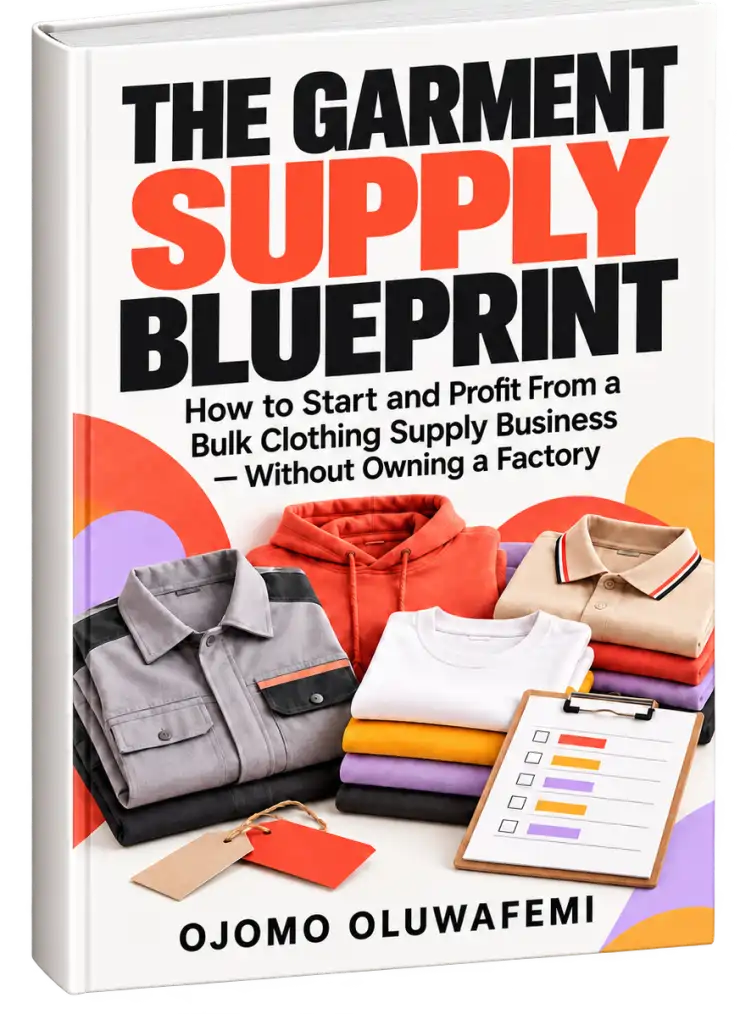
This page explains the model. The Garment Supply Blueprint goes further into the work involved: finding customers who buy in bulk, pricing jobs for profit, working with a factory, managing an order and protecting your money.
Written by Ojomo Oluwafemi, founder of Aimee & Annabel Garment Factory, it is a practical starting point for readers who want to explore bulk clothing supply with clearer expectations.